
When you think about designer fragrances, do you consider the science behind their enchanting scents? Each fragrance is a carefully crafted blend, balancing natural ingredients with synthetic compounds.
This intricate composition not only defines a perfume's initial impression but also how it lingers on your skin.
As you explore this world, you'll find that the uniqueness of a scent goes beyond its ingredients-it's also about how it interacts with your body chemistry. Curious about how these elements come together?
Perfume composition is a delicate dance of scent, where each note plays an essential role in creating a harmonious fragrance. You'll encounter three main categories: top, middle, and base notes.
Top notes greet you first, offering a fresh burst that fades quickly. As they dissipate, middle notes emerge, forming the heart of the fragrance and providing depth. Finally, base notes anchor the perfume, lingering long after the others have vanished.
Understanding this structure helps you appreciate how each scent interacts, creating a unique olfactory experience. Next time you sniff a fragrance, consider the intricate balance that makes it truly special.
Fragrance creation hinges on the careful selection of raw materials, each contributing to the overall scent profile. You'll find that natural ingredients like essential oils, floral extracts, and spices play a vital role in crafting unique fragrances.
These elements provide depth and complexity, while synthetic compounds often enhance longevity and stability. As you explore designer fragrances, pay attention to the blend of these raw materials.
Each ingredient not only adds its own character but also interacts with others, creating a harmonious composition. Understanding this interplay can help you appreciate the artistry behind your favorite scents even more.
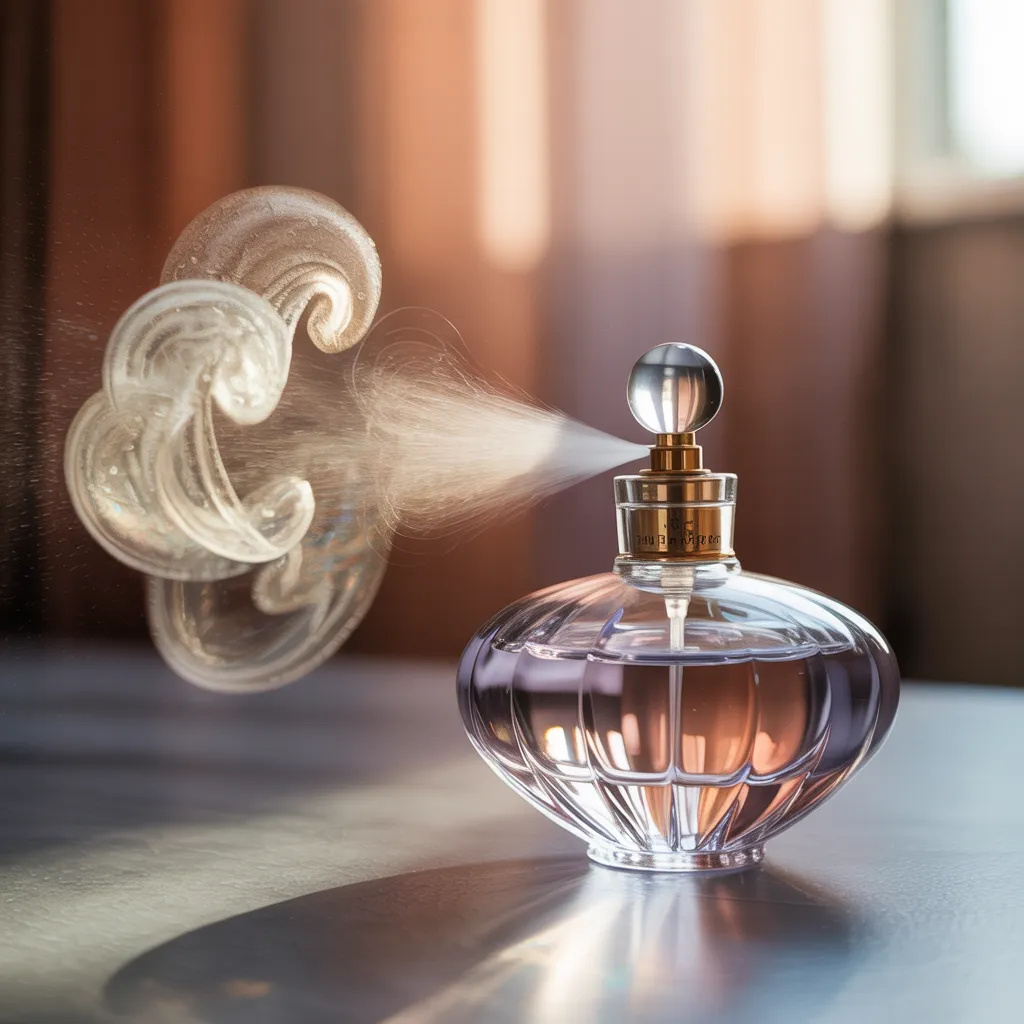
Sillage and longevity are essential factors that can make or break your fragrance experience. Sillage refers to the trail of scent left behind, while longevity measures how long a fragrance lasts on your skin.
When selecting a fragrance, you want it to linger pleasantly throughout your day, creating a lasting impression. A fragrance with strong sillage can enhance your presence, drawing others in without being overwhelming.
Likewise, good longevity guarantees you won't need constant reapplication. Choosing fragrances that excel in these areas assures you'll enjoy the scent's full impact, making your selection both satisfying and memorable.
When you encounter a particular scent, it can instantly transport you to a different time or place, often releasing powerful emotions and memories. This happens because your brain processes smells in the olfactory bulb, which connects directly to the limbic system-your emotional center.
Certain fragrance notes, like citrus or floral, can evoke feelings of joy or nostalgia, while others, like musk, might trigger deeper sentiments. These connections are personal and unique, influenced by your experiences and associations.
That's why a whiff of a familiar scent can bring a smile or a tear, making fragrance a potent emotional catalyst in your life.

Have you ever wondered why a scent that smells divine on someone else doesn't quite have the same effect on you? Your body chemistry plays a vital role in this.
Factors like skin type, pH levels, and even diet can alter how a fragrance interacts with your skin. Oily skin tends to hold scents longer, while dry skin may cause them to fade quickly.
Hormones also influence your olfactory receptors, making certain notes more prominent. This unique blend of factors means that a fragrance can morph into something entirely different once it's applied, making your signature scent truly one-of-a-kind.
Understanding how your body chemistry influences your fragrance choice can enhance your appreciation for the evolving landscape of scent creation. Today, natural and sustainable ingredients are trending, as consumers seek eco-friendly options.
Niche brands are gaining traction, offering unique scents that reflect individuality. Personalization is key; custom fragrances are becoming popular, allowing you to express your identity. Additionally, technology plays a significant role, with AI helping develop scents tailored to your preferences.
Finally, gender-neutral fragrances are on the rise, breaking traditional norms and inviting everyone to experiment with scents that resonate personally. Embrace these trends to discover your perfect fragrance!

Climate and seasons considerably impact fragrance layering. In warmer months, lighter scents like citrus or floral notes often shine, while heavier, richer fragrances work well in cooler seasons. You�ll want to adjust your layering technique; for instance, avoid overwhelming scents in humidity. Experiment with combinations that complement the weather, ensuring your chosen fragrances enhance your mood and vibe. Pay attention to how each scent interacts with the temperature, making adjustments as needed.
Designer fragrances typically last on your skin for about 4 to 8 hours, depending on the scent's concentration and your skin type. Eau de parfum generally lasts longer than eau de toilette due to higher oil content. To maximize longevity, apply it to pulse points and moisturize your skin beforehand. If you�re looking for a scent that lasts all day, consider options with a richer base of notes like amber or woods.
Designer fragrances typically last anywhere from 4 to 8 hours, depending on their concentration and your skin type. Eau de Parfum generally lasts longer than Eau de Toilette. If you want to extend the scent, apply it to pulse points like your wrists and neck. Remember, factors like humidity and your body chemistry can influence longevity too. Experiment with different scents to find the ones that last the longest on you.